
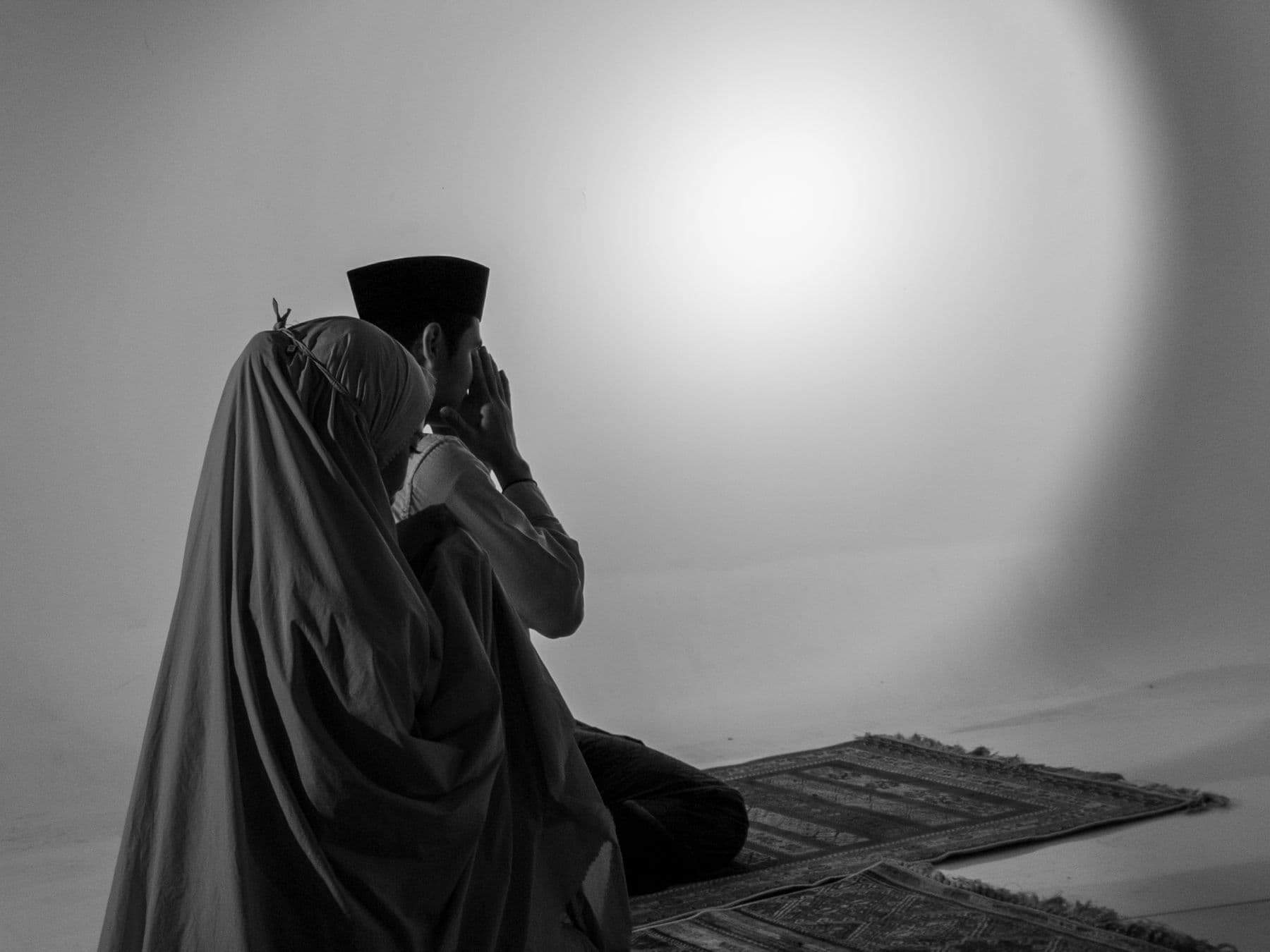
A profile may say practicing, religious, traditional, moderate, spiritual, or growing. Each word can mean something sincere. None of them tells you what a shared home will feel like.
Two Muslims may care deeply about deen and still differ on daily practice, community, modesty expectations, learning, family culture, or how they respond when faith is difficult. These differences are not best explored through a debate over who is better. They are explored through honest examples.
This article is about compatibility and conversation, not religious rulings. For questions about Islamic law or practice, seek a qualified scholar who understands the issue and your context.
Ask about a normal week, not an ideal identity
Start with routine. What does salah look like around work or school? Does someone attend the masjid regularly, mainly on Fridays, during Ramadan, or when life allows? How do they make time for Qur’an, classes, service, or community? Which practices are private and which do they hope to share?
The point is not to inspect someone’s worship. The point is to understand the rhythm they are offering as a spouse. If one person hopes to pray together often and the other prefers private worship, neither answer should be hidden behind a broad label.
Ask about difficult weeks too. How does the person respond when tired, traveling, busy, or discouraged? A realistic answer is more useful than a polished description of the person they wish they were every day.
Separate current practice from future goals
Growth matters. Many people are sincerely trying to learn, become more consistent, or change a habit. A goal becomes misleading only when it is presented as a current reality or used to ask the other person to gamble on a future transformation.
Try saying, “Right now I do this. I am working toward that. Here is what I am doing to move closer.” That answer allows a potential spouse to respect the goal without confusing hope with evidence.
Do not enter marriage with a private project to fix the other person. Support is different from supervision. Ask how each person likes to be encouraged and what would feel controlling, judgmental, or embarrassing.
Make Ramadan and religious seasons practical
Ramadan changes sleep, food, work, worship, family visits, and spending. Ask where iftar is usually shared, how late nights are handled, whether either family expects daily attendance, and what each person hopes the month will feel like at home.
Discuss Eid too. Which family gets which day? Are gifts, travel, and hosting major traditions? What happens when work schedules conflict? Small assumptions can create large hurt because religious seasons carry memory and meaning.
The same applies to Jumu’ah, Islamic classes, volunteering, and community events. Ask whether the expected routine leaves room for both people’s worship, rest, work, and family ties, and who would organize shared plans.
Ask how faith shapes decisions and disagreement
Faith may guide money, roles, family responsibilities, children, food, education, and how conflict is handled. The key question is how a couple will reach an answer when both people care about Islam but understand a situation differently.
Will they consult a scholar? How will they choose someone both trust? Can either person ask for evidence without being accused of rebellion? Can they distinguish a religious requirement from a cultural preference or family custom?
Discuss how each person would respond if religious language seemed to close a conversation in one person’s favor. Ask what kind of scholarly guidance both would trust and how each person could raise a sincere question respectfully.
Talk about the religious home you would build for children
If both people want children, discuss how faith will be taught and modeled. Which practices matter in the home? What kind of school or community might be considered? How will questions and doubts be handled? What role will grandparents and extended family play?
Ask what atmosphere each person hopes to create around mercy, discipline, curiosity, and consistency. Two people may both care about Islamic education while imagining very different teaching styles.
Discuss whether both parents are expected to contribute to religious education, how responsibilities might be shared, and how decisions would be made. Seek qualified scholarly guidance where religious duties or rulings are involved.
Questions that reveal more than a label
Zoojly includes deen and lifestyle questions because religious compatibility is lived, not advertised. The platform can help two people see possible alignment and points to discuss. It cannot measure faith, determine who is more righteous, or replace qualified religious guidance.
A useful conversation should leave both people more understood, not ranked. The goal is to discover whether your current practices, honest goals, and ways of making decisions can share a home.
- What religious practice gives your week structure?
- What are you currently learning or trying to improve?
- Which expectations in a shared home feel essential, and which are preferences?
- How would you want a spouse to encourage you when you are inconsistent?
- How do you separate culture, family custom, and religious obligation?
- Who do you trust for religious guidance, and how do you evaluate advice?
- What would a peaceful Ramadan in our home look like?
Do not ask only, “How religious are you?” Ask, “How does your faith shape an ordinary day, and what kind of home are you trying to build?”